














Popular in Access Control







Limited Offers!
Hurry Up To Buy These Products With Discount.
0
days
00
hr
00
min
00
sc
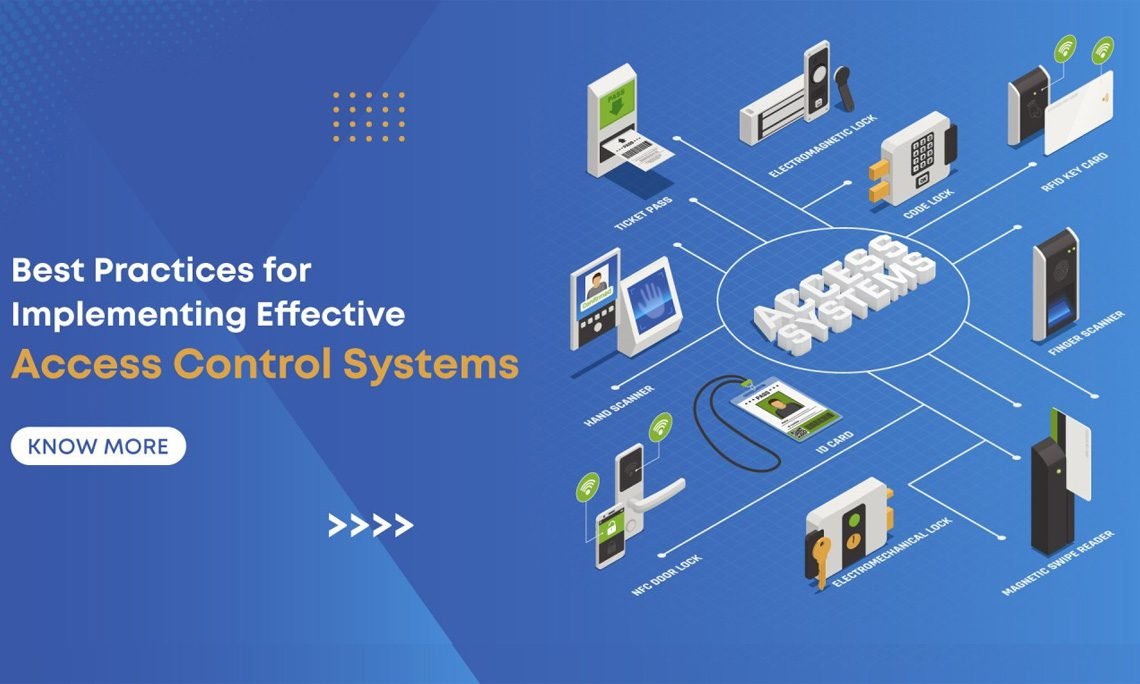


*In an age where data, assets, and human resources must be protected more than ever, the demand for advanced Electronic access control systems is on the rise
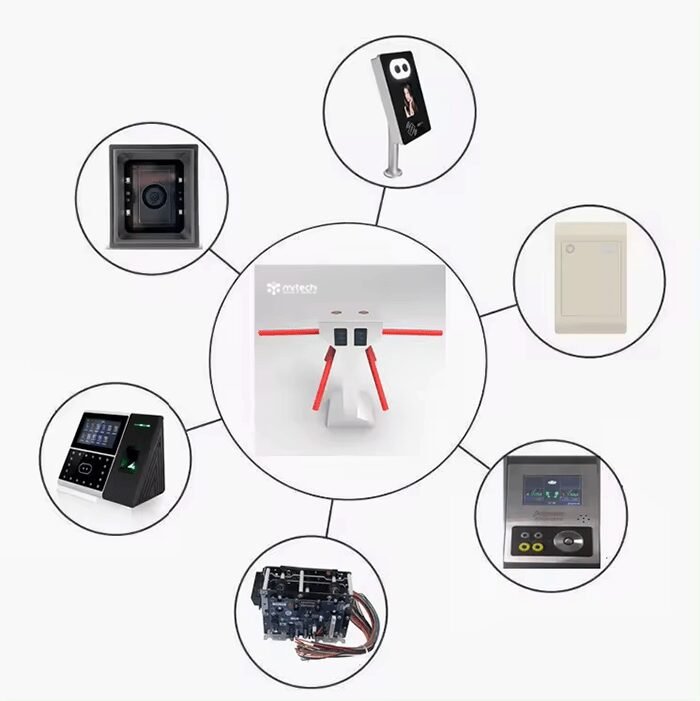
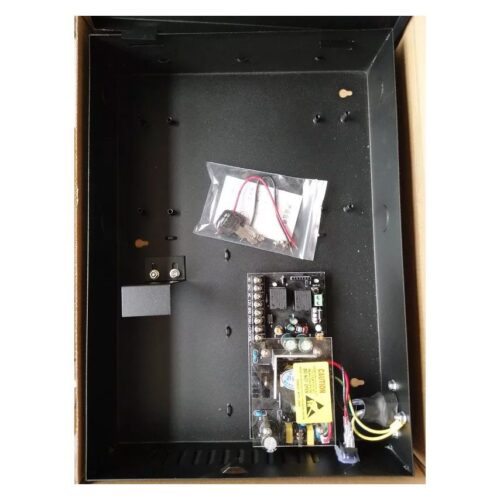
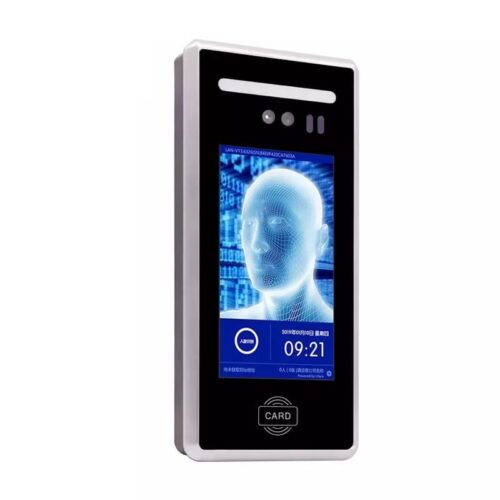
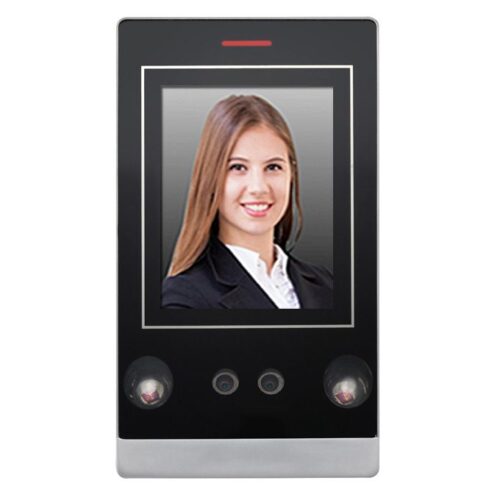
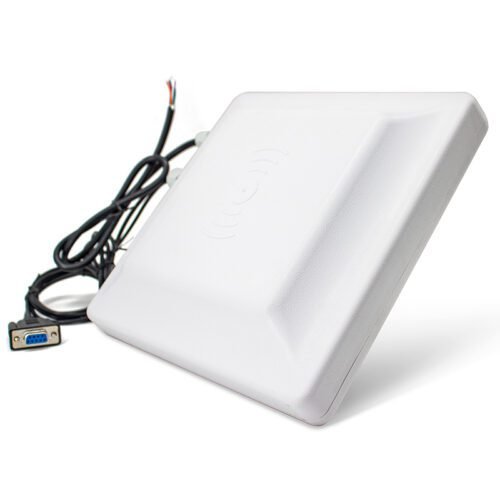
Best Face Recognition


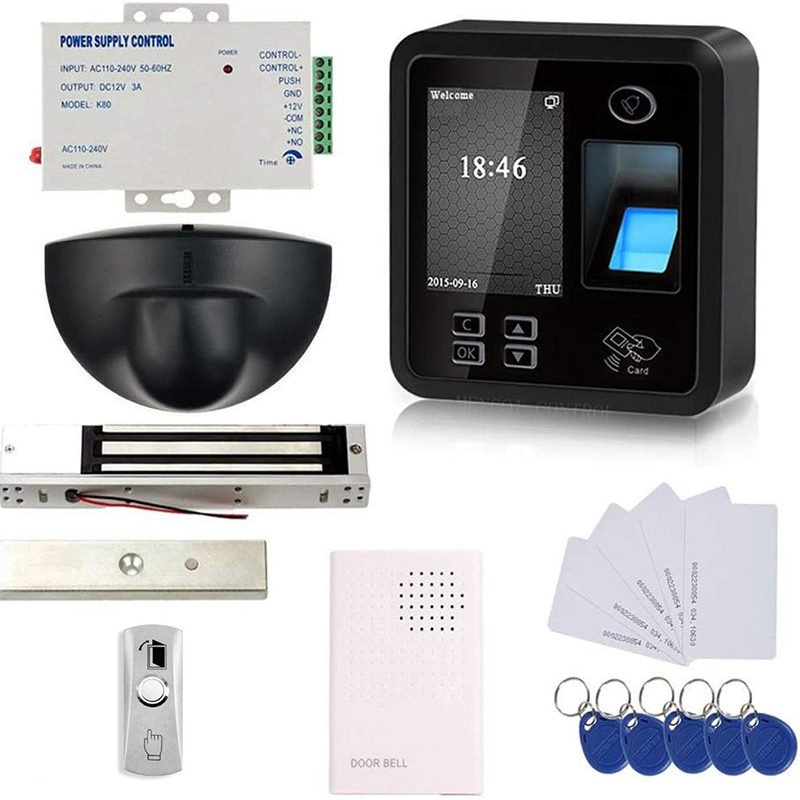
Useful Biometric
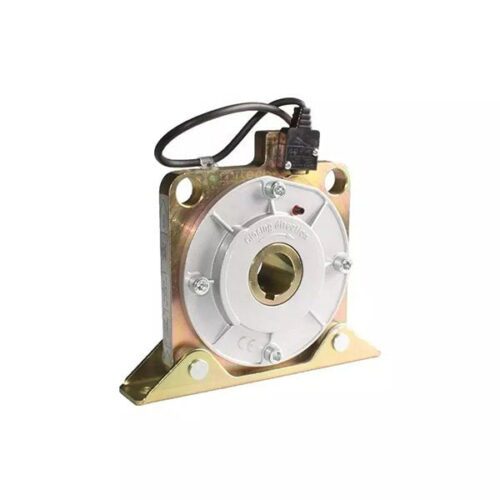


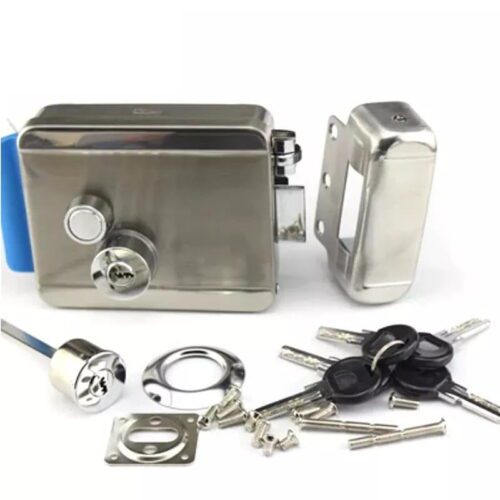
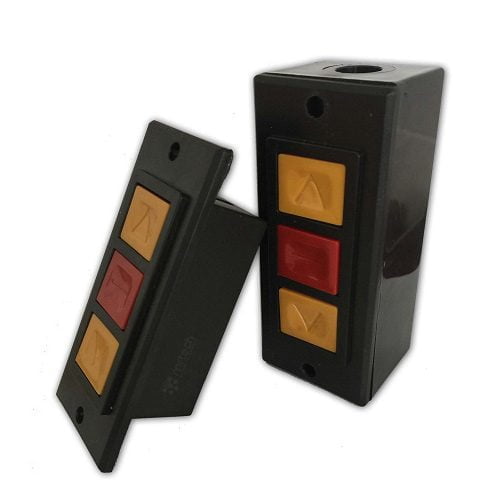
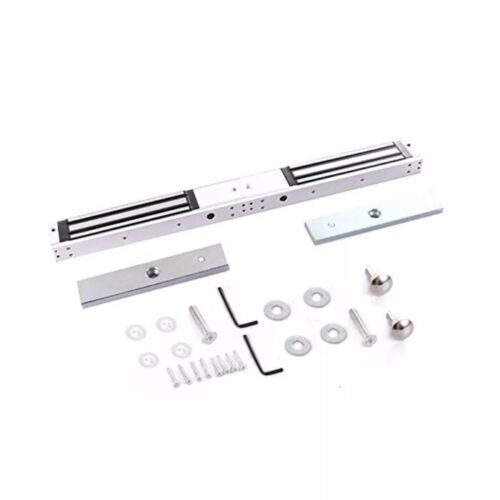

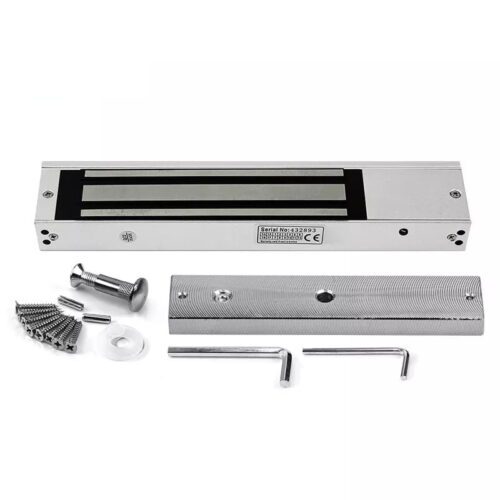
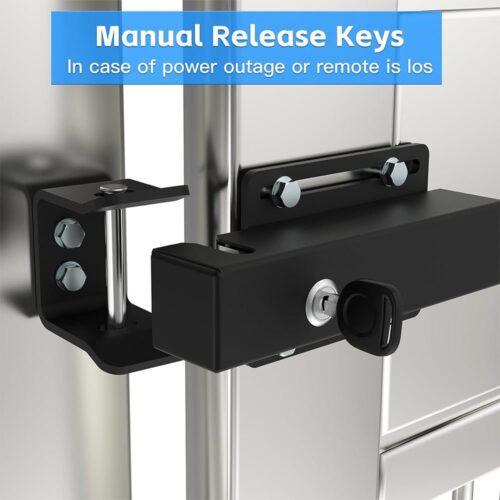
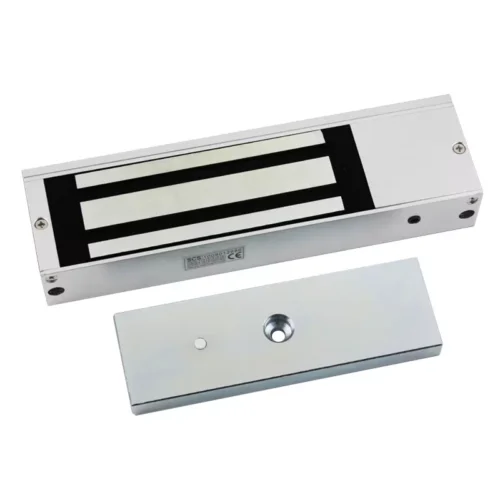
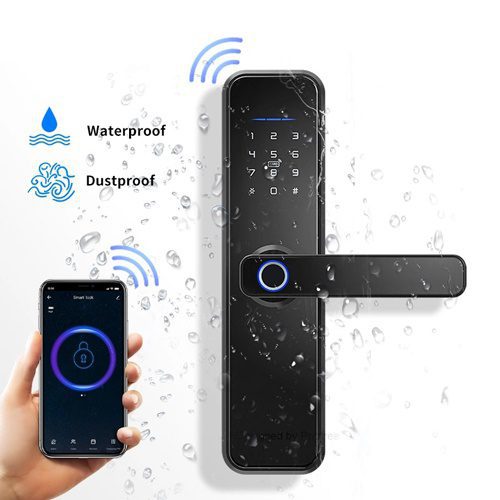
Mr. Tech automation for high-quality
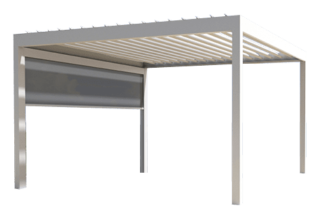
Telescopic Sliding Glass Roof
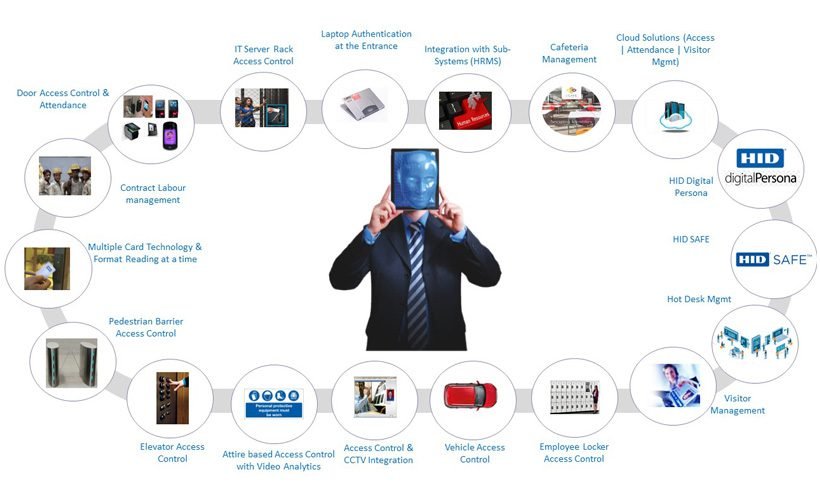
Electronic access control systems, also known as EAC systems, are a collection of technologies positioned to help stakeholders manage entry to private properties using electronic locks and credential readers.
Access Control Definition
Access control is a data security process that enables organizations to manage who is authorized to access corporate data and resources. Secure access control uses policies that verify users are who they claim to be and ensure appropriate control access levels are granted to users.
Key Components of Access Control Systems Supplier Trader - Wholesaler
To understand how access control works, it’s helpful to break down the essential components that make up a typical system:
1. Access Credentials
These are the methods users employ to prove their identity. Credentials can be:
- RFID cards or key fobs
- PIN codes
- Mobile-based access (Bluetooth or NFC)
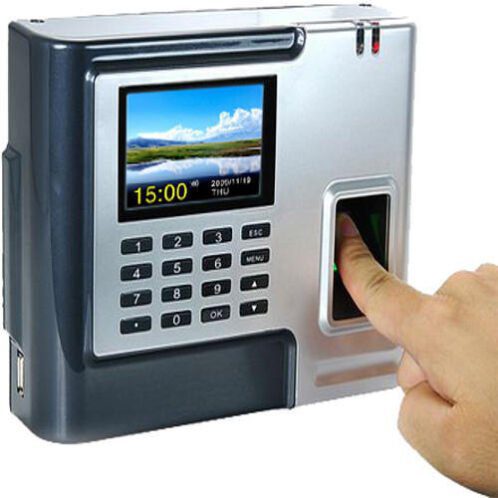
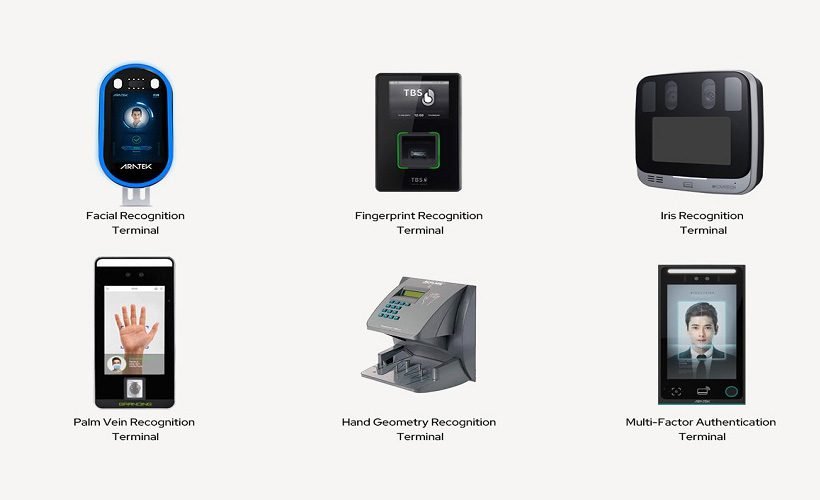
- Biometric identifiers (fingerprint, facial recognition, etc.)
- Mobile and biometric credentials are increasingly popular due to their security and contactless nature.
2. Access Control Readers
These devices authenticate the credentials. Readers can range from simple RFID scanners to advanced biometric readers. In smart buildings, mobile-based readers are gaining traction due to their ease of use and hygiene benefits.
3. Access Control Panel (Controller)
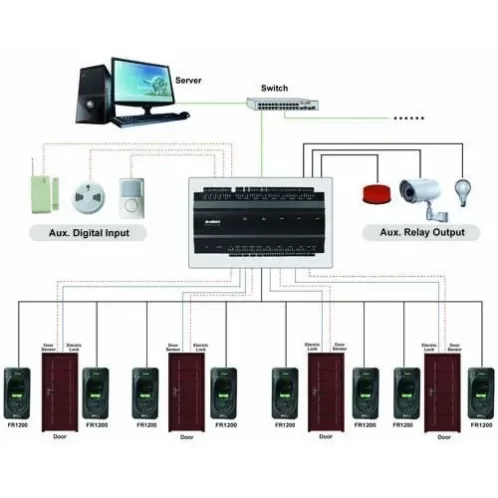
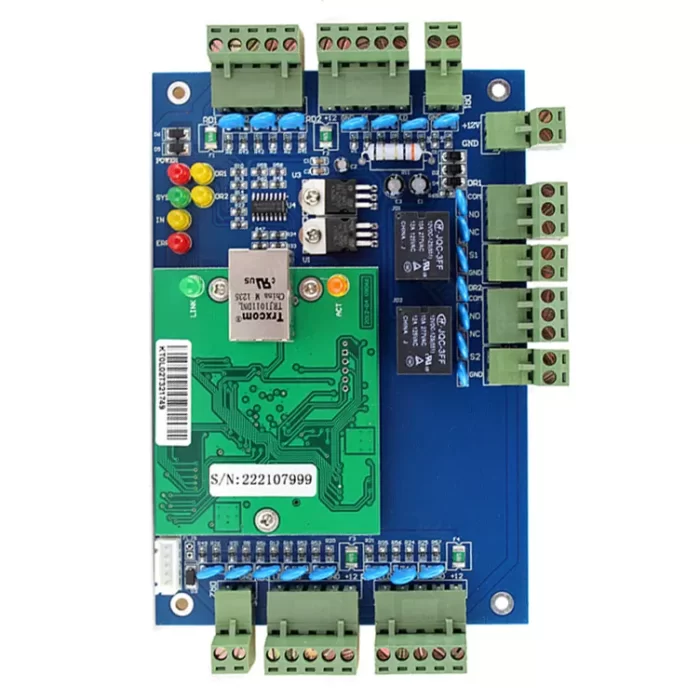
This is the system’s “brain,” making decisions based on the information received from readers. The controller processes data and instructs the system whether to unlock or keep the door locked.
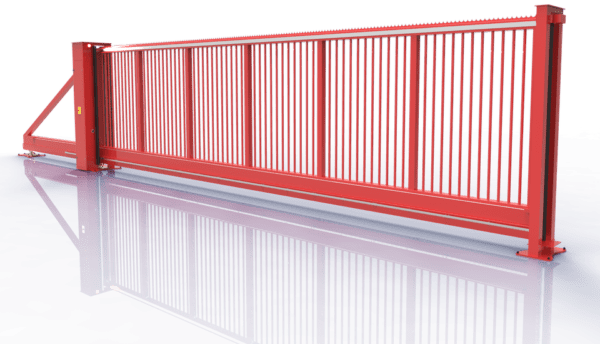
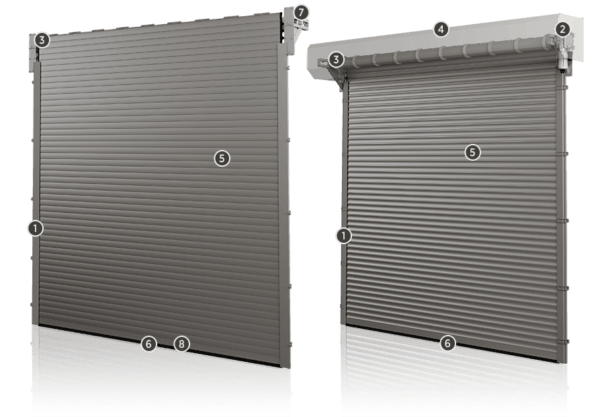
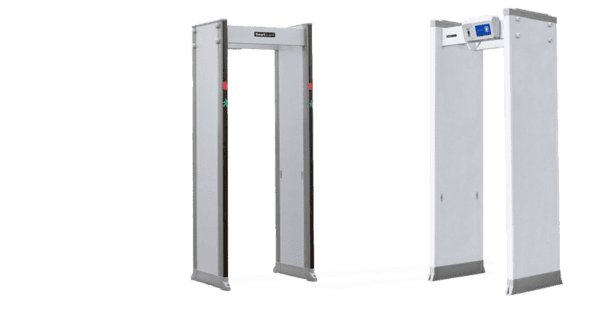
4. Locks and Barriers Gate
These are the physical components (such as electric locks, gates, turnstiles, or barriers) that respond to the controller’s commands.
5. Software Interface
A centralized platform where administrators define access policies, manage users, monitor entry logs, and generate reports. Modern systems offer cloud-based interfaces accessible from any location — something companies like MR. TECH specializes in.
6. Barroom bouncers
Bouncers can establish an access control list to verify IDs and ensure people entering bars are of legal age.
7. Subway Turnstiles and Door
Access control is used at subway turnstiles to only allow verified people to use the subway system. Subway users scan cards that immediately recognize the user and verify they have enough credit to use the service.
8. Keycard or badge scanners in corporate offices
Organizations can protect their offices by using scanners that provide mandatory access control. Employees need to scan a keycard or badge to verify their identity before they can access the building.
9. Logical / Information Access Control
Logical access control involves tools and protocols being used to identify, authenticate, and authorize users in computer systems. The access controller system enforces measures for data, processes, programs, and systems.
10. Signing into a Laptop Using a Password
A common form of data loss is through devices being lost or stolen. Users can keep their personal and corporate data secure by using a password.
11. Unlocking a Smartphone with a Thumbprint Scan
Smartphones can also be protected with access controls that allow only the user to open the device. Users can secure their smartphones by using biometrics, such as a thumbprint scan, to prevent unauthorized access to their devices.
12. Remotely Accessing an Employer’s Internal Network using a VPN
Smartphones can also be protected with access controls that allow only the user to open the device. Users can secure their smartphones by using biometrics, such as a thumbprint scan, to prevent unauthorized access to their devices.
Benefits of Modern Access Control Systems
1. Enhanced Security
By ensuring that only authorized individuals can enter certain areas, access control systems reduce the risk of unauthorized entry, theft, and other threats.
2. Real-Time Monitoring
Admin dashboards provide real-time logs of who accessed what and when, which can be crucial during security audits or incident investigations.
3. Reduced Administrative Burden
Systems that integrate with HRMS and directory services eliminate the need for manual provisioning and revocation of access.
4. Scalability
Whether managing one site or multiple, cloud-based access control systems allow centralized control from anywhere.
5. Visitor Management Integration
Many businesses are now combining visitor and employee access into a unified system — simplifying the onboarding of guests and contractors while maintaining high security.
6. Hygiene and Touchless Convenience
Post-pandemic, the push for touchless entry is stronger than ever. Solutions that support mobile or facial recognition credentials meet this demand effectively.
Some Key Advantages of Cloud-based Solutions Include Access system
- Faster setup and deployment
- Automatic software updates
- Remote management and troubleshooting
- API integrations with third-party software like visitor management and analytics
- Subscription-based pricing models for easier budgeting
FAQ
What Are Access Control Systems?
At their core, access control systems are security solutions designed to restrict or grant access to physical or digital environments based on predefined rules. These systems determine who can access a certain location, when they can access it, and under what conditions.
While traditionally associated with physical spaces like offices and server rooms, today’s systems extend their functionality to include data centers, multi-tenant properties, co-working hubs, and even cloud applications.
Why Cloud and Mobile Are the Future of Access Control?
Legacy access control systems were often tied to on-premise servers and required significant hardware investment. Today’s smarter alternatives like MR.TECH’s cloud-based access control systems are revolutionizing the landscape.
These systems eliminate the need for local servers, reduce IT costs, and provide seamless updates. They are also mobile-first, allowing users to unlock doors using their smartphones, a feature highly appreciated in co-working spaces, modern offices, and apartment complexes.
Types of Access Control Models?
Different environments require different access models. Common types include:
1. Discretionary Access Control (DAC)
The owner decides who has access to what. It’s flexible but can lead to inconsistent policies.
2. Mandatory Access Control (MAC)
Permissions are strictly enforced by a central authority. Common in government and military applications.
3. Role-Based Access Control (RBAC)
Access is granted based on roles within the organization — ideal for businesses of all sizes.
4. Attribute-Based Access Control (ABAC)
Grants access based on user attributes (e.g., department, time of day, location).
5. Break-glass access control
Break-glass access control involves the creation of an emergency account that bypasses regular permissions. In the event of a critical emergency, the user is given immediate access to a system or account they would not usually be authorized to use.
6. Rule-based access control
A rule-based approach sees a system admin define rules that govern access to corporate resources. These rules are typically built around conditions, such as the location or time of day that users access resources.
Use Case: A Multi-Tenant Building with Diverse Needs?
Imagine managing access for a commercial building housing multiple businesses, each with different schedules, employee roles, and visitor policies. Traditional systems would require individual control panels and physical oversight.
A cloud-based, mobile-enabled system, however, allows centralized management with customizable policies per tenant. Real-time monitoring ensures visibility across all entrances, while the system integrates smoothly with elevators, parking garages, and emergency exits.
Providers like Spintly specialize in solving such multi-layered access scenarios, delivering both flexibility and control.
How Does Access Control Work?
Access control is used to verify the identity of users attempting to log in to digital resources. But it is also used to grant access to physical buildings and physical devices.
What is access control?
Access control is a data security process that enables organizations to manage who is authorized to access corporate data and resources.
What are the different types of access controls?
The different types of access control include:
- Attribute-based Access Control (ABAC)
- Discretionary Access Control (DAC)
- Mandatory Access Control (MAC)
- Role-Based Access Control (RBAC)
- Break-glass Access Control
- Rule-based Access Control
How Do Access Control Systems Work?
- User presents credential (mobile app, card, or biometric)
- Reader scans the credentials and sends data to the controller
- Controller verifies access rights
- Access is granted or denied based on the policy
- System logs the attempt for auditing purposes
- This entire process takes less than a second and can be configured to notify security teams, track anomalies, or even trigger other systems like CCTV or alarms.
Related Search
access control system, access control system for glass doors, access control system gate, access control system for door, access control system in security, access control system pdf, access control system for office, access control system price, access control system, access control system door, access control system biometric,
office door access control system, lift access control system, what is access control system, rfid access control system, what is the access control system, office access control system, access control system in security, access control system company, access control system RFID, access control system manufacturers,
gate access control system, turnstile access control system, attendance access control system, access control system card, access control system near me, fingerprint access control system, door access control system for home, cloud access control system, flap barrier access control system, face recognition access control system,
access control system parts, multiple door access control system, lift card access control system, face access control system, RFID door lock access control system, door access control system for office, remote access control system,4 door access control system, rfid gate access control system, tripod turnstile access control system
Electronic Access Control, electronic access control examples, electronic door access control system, door access control system for office, door access control system for home, electronic lock access control system, electronic key access control, electric vehicle access control system, electronic access control