



















UHF RFID Tag Security for Automatic Vehicle Identification
What is an RFID Tag?
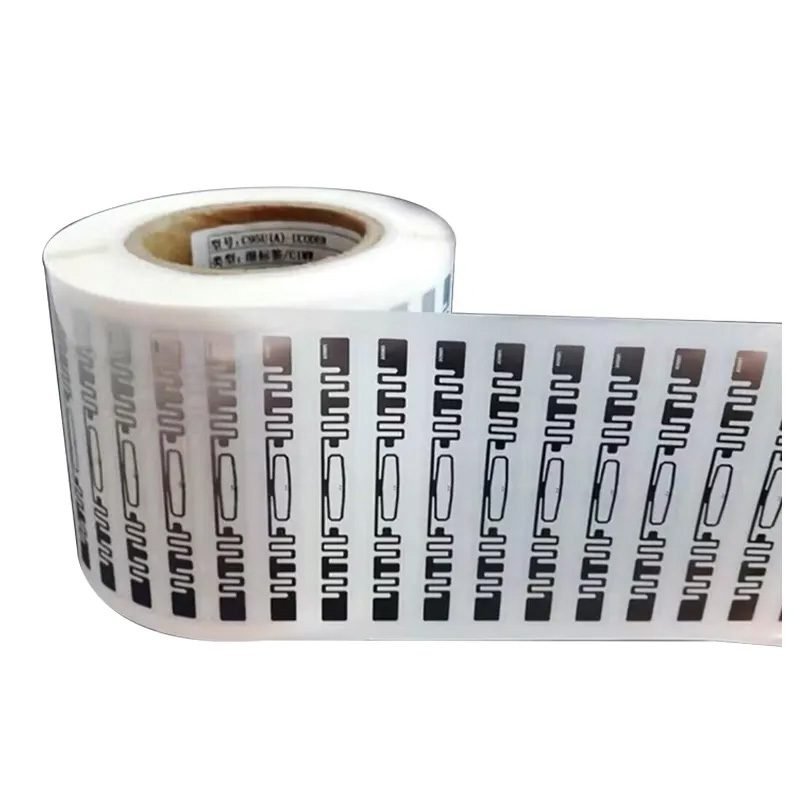
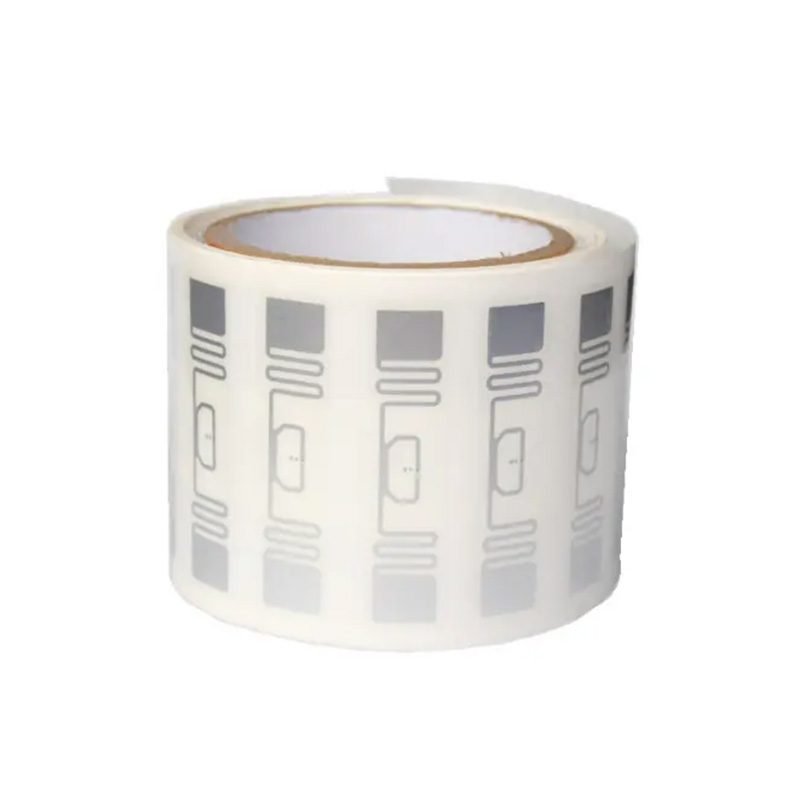
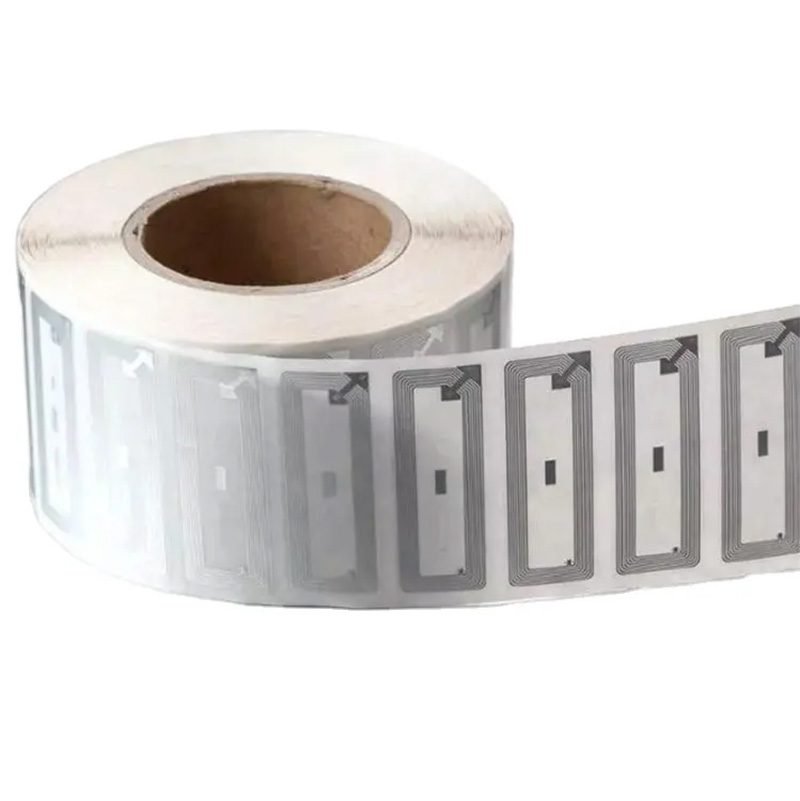
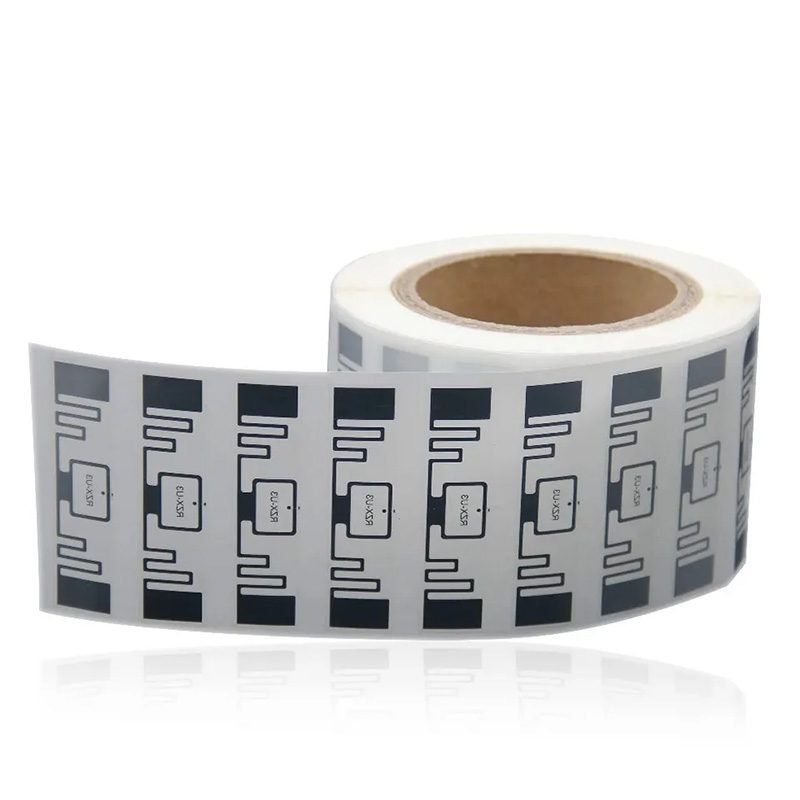
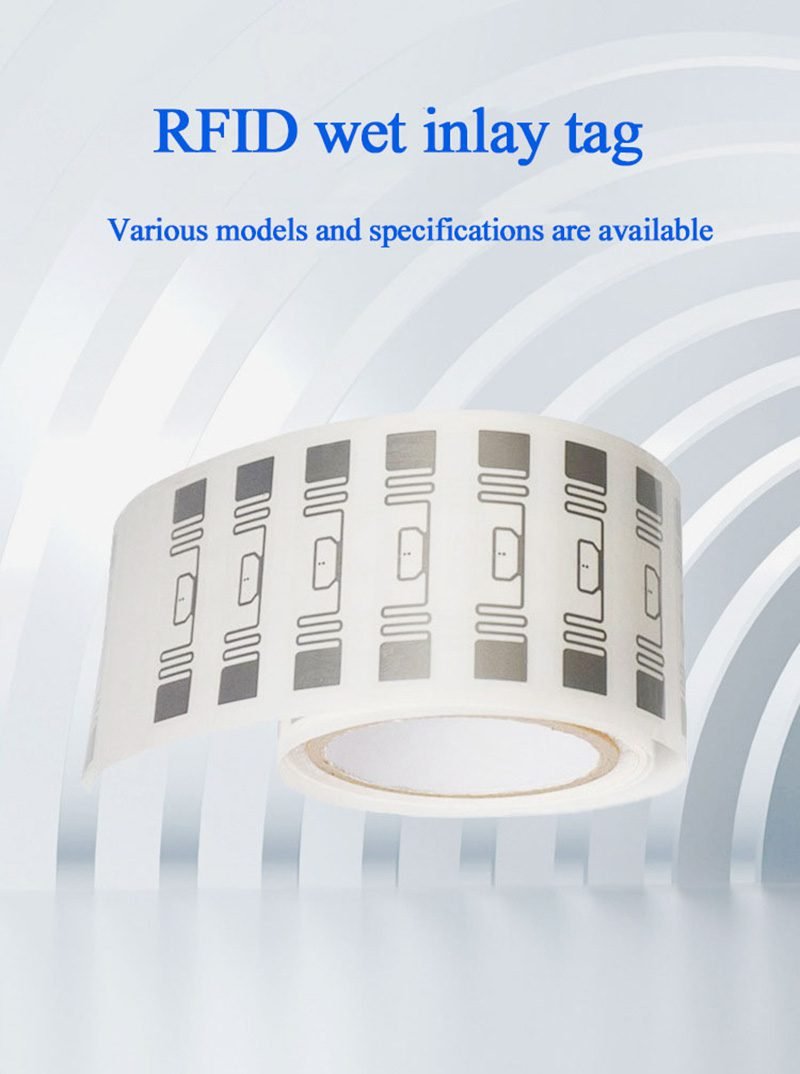
A Radio Frequency Identification Tag (UHF RFID Tag) is an electronic tag that exchanges data with an RFID reader through radio waves. Most RFID tags are made up of at least two main parts. The first is an antenna, which receives radio frequency RF) waves.
The second is an integrated circuit (IC), which is used for processing and storing data, as well as modulating and demodulating the
radio waves received/sent by the antenna.


How Does the UHF RFID Tag Sticker Work?
1. The reader transfers energy to the transponder by emitting electromagnetic waves through the air.
2. Transponder uses RF energy to charge up.
3. Transponder receives a command/data signal and responds accordingly.
4. The reader receives the transponder response and processes it accordingly. ie, sent to a host computer or external devices through its control lines.
Specification:
| Product Name | Long Range passive 860-960 MHz Alien H9 9662 Dry/Wet Inlay ISO 18000 6C UHF RFID sticker tags |
| Chip | Alien H9 |
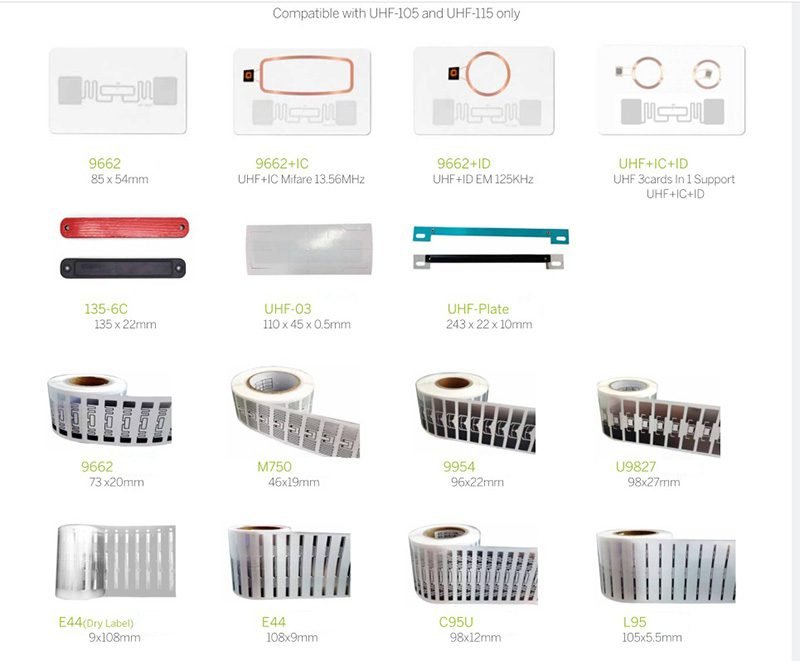
| Tag Size | 73x20mm or Customized size |
| Reading Range | 1 Meter – 8 Meter, depending on the reader and tag size |
| Frequency | 860 – 960MHz |
| Material | Coated Paper + PET + Adhesive |
| Antenna Process | Aluminum Etch (AL 10um) |
| Memory | 128/96bit |
| Protocol | ISO18000-6c |
| Operating Frequency | 860MHz – 960MHz |
| Working Mode | Passive |
| Write Cycles | 100000 times |
| Operating Limits | -70 °C/ 20%∼90% RH. |
| Storage Limits | -20∼50ºC / 20%∼90% RH ( Without Condensation) |
| Application | Super Market/ Library /Asset Management |
| Inlay Format | In roll |
| No | 100 |
| Delivery Format | 2000-5000pcs / roll, 4 rolls/carton |
How does a UHF RFID System Work?
The RFID reader emits radio waves of specific frequencies through RFID antennas. The waves “give energy” to the tags so that they can communicate by emitting a unique ID. They do not need batteries and can be used for many years. The reader processes the data so that we can integrate it into our application and give it meaning. The typical reading range is 0-12 meters. Gen2 UHF RFID systems consist of readers, antennas, printers, and RFID tags or labels. In this article, I will define, with a brief explanation, each of the main elements when implementing an RFID project.
RFID ANTENNAS
RFID Antennas are responsible for emitting and receiving waves that allow us to detect RFID chips. When an RFID chip crosses the antenna field, it is activated and emits a signal. The antennas create different wave fields and cover different distances.
Antenna Type: Circular polarization antennas work best in environments where the orientation of the tag varies. Linear polarization antennas are used when the orientation of the tags is known and controlled, and is always the same. NF (Near Field) antennas are used to read RFID tags within a few centimeters.
Overcast angle and gain: Using antennas with gains of between 8.5-10 dbi or more will allow us to emit more power and obtain a higher reading ratio. The angle of opening depends on the area to be covered, for example: 70 °, 100 °, etc. The more overture the antennas have, the less detection distance.
Number of Antennas: Standard high-performance readers have 2 ports, 4 ports or 8 ports. The number of antennas is usually chosen according to the reading space we want to detect or the density of tags to read. Typically used are 2 or 4-port fixed readers. Some brands have multiplexers that allow us to connect up to 32 antennas in the same reader.
RFID READERS
There are multiple types of readers: fixed RFID, portable RFID readers, RFID readers for smartphones, and USB readers. To read a high density of tags or requirements of 100% accuracy in detection, the best fixed RFID readers are: Impinj R420, ThingMagic M6e, Zebra FX9500. And if we need to use portable readers, we recommend the Zebra MC9190, Impinj AB700 Zebra RFD8500. To choose the right reader, we have to take into account several factors:
Reading area: Fixed readers serve mainly to cover a specific area: one point by a doorway, a machine, on a conveyor belt, in a crate, etc. Mobile readers allow us to read while we move and to perform inventories or search for RFID tags that we do not see.
Ratio of reading: the emission power and reading capacity requirements are determined by the number of tags to detect in a specific time. The most complex applications are those where there is a high density of tags, liquids or metal products. The maximum reading power is marked by the regulation allowed in each country or zone, according to the type of frequency (ETSI, FCC).
The type of RFID reader: many times, the question is whether to use a fixed reader or a portable reader. This factor depends on the application. For example, if we are in a store or warehouse where we need to make inventories and movements, it is convenient to use a portable terminal. If the reading area is fixed, it is convenient to install a reader that covers the area and leaves the task automated. For example, to detect pallets or products in shipping areas.
USB Readers: These readers give excellent results when we need to record or read very few tags at different points during the manufacturing processes or for the validation of documents in offices. Two clear examples are the Nordic Stix and the ThingMagic USB Reader.
RFID LABELS AND TAGS
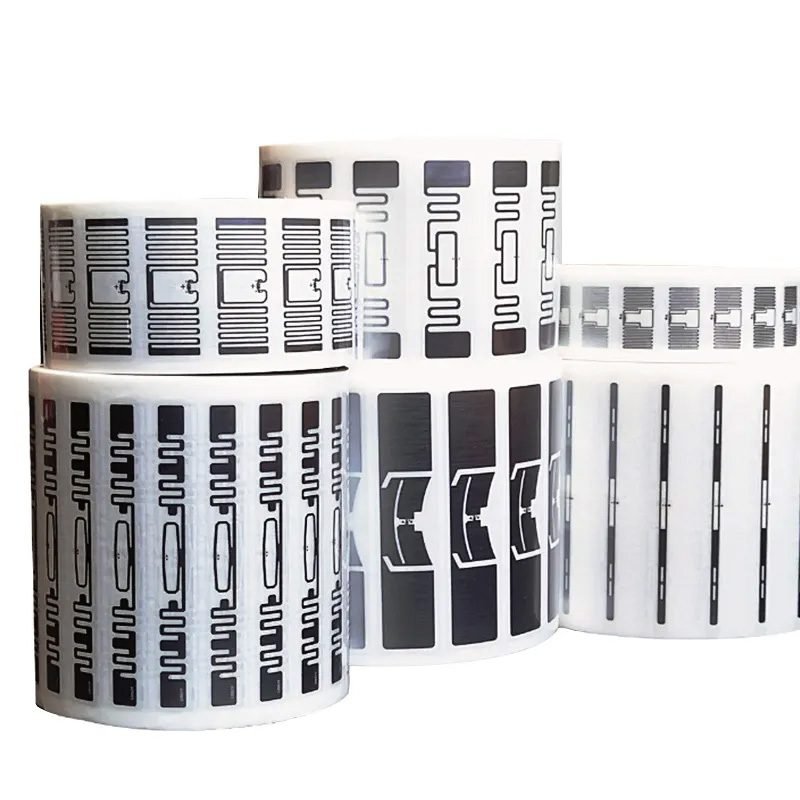
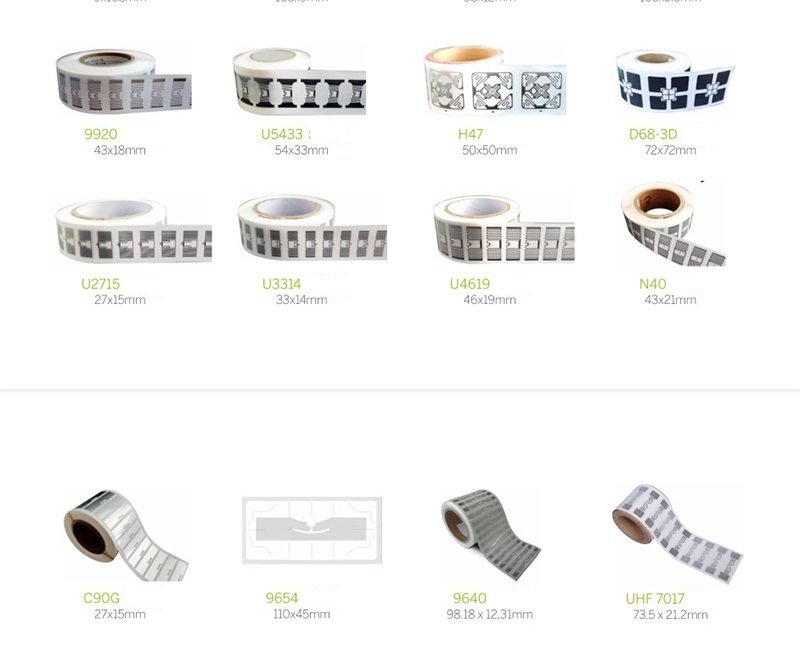
The essential factors are: size, orientation, reading angle, the area they are located, and the type of chip.
Size: the size of the chip is a very important factor, for the simple reason that the more antennas the RFID tag, has the better the sensitivity and the detection. Whether the response of the tag is always the same or very similar every time it is detected, we are able to then develop reliable and robust applications. The antennas are usually made of aluminum or copper.
Orientation and reading angle: If we have circular antennas, we do not have to worry much about orientation. The orientation of the tag is worrisome when we try to detect it with linear antennas. In this case, we must test if the best position of the tag is vertical or horizontal, as is the case when using the ShortDipole tag. There are omnidirectional antennas with two dipoles, such as FROG 3D and WEB, that allow us to detect the tags regardless of their orientation. The reading range of these is usually lower by the composition of the antenna.
Integrate Circuit (IC): These are the internal chips of the RFID tag. The most common are the Impinj Monza, NXP, and Higgs. There are IC’s with more or less memory, from 96 bits to 512 bits. They have additional memories, an EAS alarm system, the ability to lock with passwords, etc. There are also ICs that combine both RFID / NFC technologies on the same chip. When more memory is required, we can put it in an external database and associate an ID that identifies the chip.
Location area: It is very important to take into account where the applied tag will go so that the RFID solution is successful and meets the necessary reading ranges. Keep in mind that metal bounces the RF waves and that water absorbs them. There are solutions for metal labels that allow us to place the tags on the metal and detect them correctly. The material and adhesive to be used are determined by environmental factors such as indoor or outdoor, high temperatures, as is the case in pharmaceuticals tracking or food tracking as well as other special applications.
Price tag RFID: If the application requires a large volume of tags, this will surely be the most important factor to determine pricing and measure return on investment.



Reviews
Clear filtersThere are no reviews yet.